
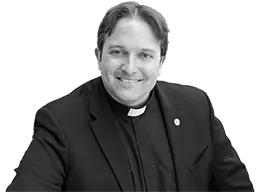
 Fr Matthew Charlesworth SJJesuit PriestSociety of JesusJesuit priest working in Southern AfricaFr. MatthewCharlesworthSJ
 Friday of the 3rd week in Ordinary Time
Date: | Season: Ordinary Time before Easter | Year: A
First Reading: 2 Samuel 11:1–4a, 5–10a, 13–17
Responsorial Psalm: Psalm 51:3–7, 10–11
| Response: Psalm 51:3a
Gospel Acclamation: Matthew 11:25
Gospel Reading: Mark 4:26–34
Preached at: the Chapel of Emmaus House in the Archdiocese of Harare, Zimbabwe.
In the first reading we watch how unfaithfulness grows. David is unfaithful first in a quiet way. He stays behind when he should be with his men. He lets his guard down. Then desire takes root in his heart. He does not stop it. What begins inside soon becomes action. He takes another man’s wife. When the truth threatens to surface, he becomes unfaithful again, this time to justice and to a loyal soldier. At the end of the chain is murder. David keeps changing his behaviour to protect himself. Each step pulls him further away from truth.
David is active all the time, but he is not faithful. He reacts. He manages. He manipulates. Everything is about control.
That is why the Gospel matters so much today. In the Gospel Jesus speaks about a farmer who plants seed and then waits. He does not interfere. He does not force the process. Night and day, the seed grows, and he does not know how. This is a picture of God’s faithfulness. God does not abandon what he has begun. He does not panic when growth is slow. He does not change course to protect himself.
Placed next to David’s story, the contrast is clear. David is unfaithful when things become inconvenient. God remains faithful even when results are hidden. David tries to control outcomes. God trusts the life he has planted. David’s choices bring death. God’s quiet work brings growth.
The mustard seed makes the same point. God begins small and stays committed. He does not withdraw because the beginning looks weak. He remains faithful to the process until it becomes something that gives shelter and life.
This matters for us. When we are afraid, we are tempted to act like David, to manage appearances, to bend truth, to protect ourselves. God invites us instead to trust his faithfulness. To do what is right and leave the outcome to him. In Zimbabwe, where pressure often pushes people toward compromise, this Gospel reminds us that God does not abandon honest work, even when it seems slow or unnoticed.
For Jesuits, this is part of the daily examen. Not only asking where we failed, but where we stopped trusting God and tried to take control. God is faithful to the seed he has planted in us. The question is whether we will be faithful enough to let it grow.
As you carry this Word into your prayer this morning, sit with these questions.
- Where am I acting out of fear rather than trust in God’s faithfulness?
- When things feel uncertain, do I try to control the outcome instead of doing what is right?
- What small act of faithfulness is God asking of me today, without guarantees?
Source: https://sj.mcharlesworth.fr/homilies/2026-01jan-30-ya-ot-03/
This homily is shared for personal and pastoral use. Please attribute the author and do not alter the meaning when quoting. If you wish this homily to be translated - there is an option on the website which will allow you to translate it into the language of your choice.
Licenced under a Creative Commons Attribution-NonCommercial-NoDerivatives 4.0 International (CC BY-NC-ND 4.0) license.
The author does not speak for the Society of Jesus or for the Catholic Church.





In preparing this homily, I consulted various resources to deepen my understanding of today’s readings, including using Magisterium AI for assistance. The final content remains the responsibility of the author.