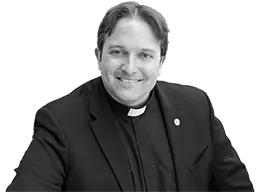
 Fr Matthew Charlesworth SJJesuit PriestSociety of JesusJesuit priest working in Southern AfricaFr. MatthewCharlesworthSJ
 18th December
Date: | Season: Advent | Year: A
First Reading: Jeremiah 23:5–8
Responsorial Psalm: Psalm 72:1–2, 12–13, 18–19
| Response: Psalm 72:7
Gospel Reading: Matthew 1:18–25
Preached at: the Chapel of Emmaus House in the Archdiocese of Harare, Zimbabwe.
Dear brothers and sisters in Christ, these last days of Advent feel like that moment just before morning, when the world is still dark but something inside us knows that light is near. We are close to Christmas now, close to a promise about to take flesh.
Our first reading from the prophet Jeremiah, speaks to people who are tired of being let down. Their leaders have failed them. The nation is broken. Many have been scattered far from home. Into that reality God does not offer a speech, but a promise. A new king will come, a righteous branch from David’s line. He will do what is right. He will bring people back together. In the Bible, righteousness is not about being perfect. It means relationships put right again. God promises not only to bring the people home, but to change how they remember salvation. God is not only the one who once rescued them from Egypt. God is the one who keeps rescuing, again and again, even after failure.
That promise becomes a prayer in Psalm 72. “In his days justice shall flourish, and peace till the moon fails.” This psalm measures good leadership in a simple way. Does it protect the poor? Does it listen to the cry of the weak? Peace is not quiet streets or polite words. Peace grows when people are treated with dignity. In Zimbabwe today, many are still waiting for that kind of peace. Families struggle with rising costs. Young people search for work and purpose. The psalm reminds us that God’s dream for society always begins with care for those who have the least.
That long hope comes to rest in a small, human moment in the Gospel from Matthew. Joseph is a good man. He wants to do the right thing. When he learns that Mary is pregnant, he makes a careful plan. He will step away quietly. No drama. No shame. It is a decent solution. Then he falls asleep, and God speaks through a dream. In the Bible, dreams are not an escape. They are where God interrupts our thinking. The angel calls him son of David, linking him to the promise spoken by Jeremiah. The child is to be named Jesus, a form of the name Joshua, which means God saves. Moses led the people out of slavery. Joshua led them into the land. This child will not only rescue people from danger, but lead them into life.
Joseph wakes up changed. He does not suddenly understand everything. But he trusts enough to act. He takes Mary into his home. He accepts a future he did not plan. In Ignatian prayer, we are invited to stay with that moment. To imagine Joseph waking in the quiet, feeling the weight of the choice before him. Faith often begins there, not with certainty, but with trust that is strong enough to move us.
This is where Advent meets our own lives. Many people today believe that all we have is ourselves and a short lifetime to make things work. The Gospel tells us something gentler and braver. We are needy, and we are not alone. God does not save us from a distance. God steps into family tension, social stress, political disappointment, and quiet fear. God becomes Emmanuel, God with us.
As a community, this asks us to wake up too. Are there fears that keep us playing safe? Are there people we would rather not notice? Are there plans we cling to, even when love is asking more of us? Like Joseph, we are invited to let God stretch our sense of what is possible.
As Christmas draws near, hold on to this image. A man wakes from sleep, lets go of fear, and chooses trust. God is already at work, saving, gathering, healing, often more quietly than we expect.
As you pray today, sit with these questions.
- Where might God be asking me to trust beyond my careful plans?
- Who are the people near me whose cry I have learned not to hear?
- When I wake each morning, what small step can I take to make God’s presence real today?
In preparing this homily, I consulted various resources to deepen my understanding of today’s readings, including using Magisterium AI for assistance. The final content remains the responsibility of the author.
← Back